Sponsored article
The impact of EU regulations on pork meat exports
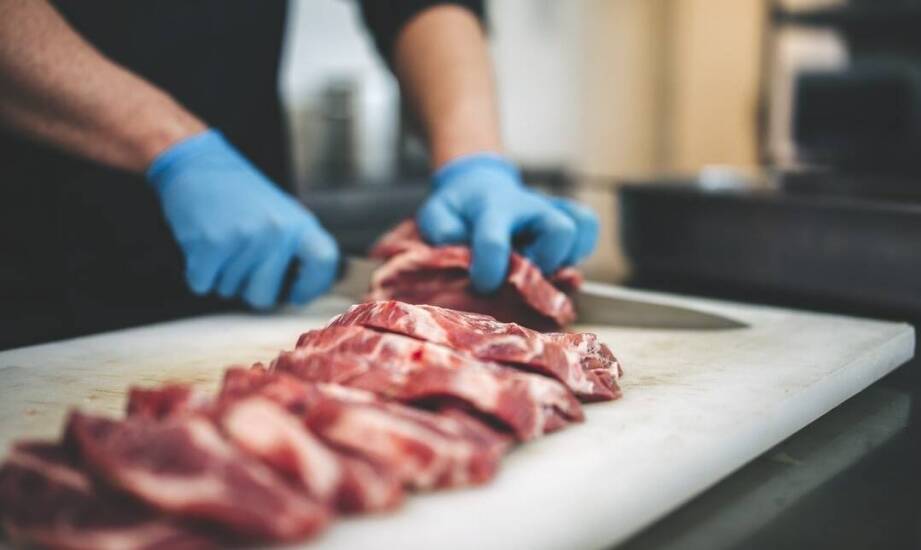
EU regulations play a significant role in shaping trade rules and quality standards for pork meat. They affect producers and exporters, determining their competitiveness in the international market. This article will examine the challenges and opportunities these regulations present for the industry, as well as the importance of understanding them in the context of global trade.
Read more: Why Is Freshness Key When Choosing Mushroom Suppliers?
Read more: How to Customize a Machine for Specific Production Needs?
Quality standards in the European Union
EU quality standards are crucial in the export of pork meat as they ensure high product quality and consumer health safety. To be sold in EU markets, meat must meet specific standards concerning, among others, hygiene, raw material quality, and processing. Non-compliance with these requirements can lead to severe consequences, such as the loss of export licenses or fines. It is also important to note that EU regulations differ from those in other countries, which can affect the competitiveness of Polish pork suppliers on the international stage.
Health regulations and their consequences
Animal health regulations have a significant impact on pork meat exports. Standards related to biosecurity and livestock health affect product quality and safety, which is crucial for maintaining competitiveness in international markets. Documentation and certification requirements are equally important; exporters must meet strict quality standards and possess the necessary export authorizations. This ensures they can offer high-quality pork meat that meets customer expectations.
Challenges for pork meat exporters
Pork meat exporters face challenges related to EU regulations. Adapting production to changing standards can be difficult, especially when requirements are more stringent than before. This impacts operational costs, which can limit market competitiveness. Companies must invest in new technologies and employee training to meet expectations. Potential strategies include collaborating with other industry entities and utilizing specialist advice to better handle difficulties.
Industry prospects and future
Adapting to EU quality standards is key to success in pork meat exports. The future of the industry depends on producers' and exporters' ability to adapt to a changing market and regulations. Investing in innovation, developing product offerings, and maintaining high quality are essential to meet customer expectations both domestically and internationally. Flexibility and a personalized approach will foster further development.
You might be interested

Commercial Adaptations: Key Trends in Commercial Renovations in Cracow

The Importance of Comprehensive Packaging Services in Contract Manufacturing

Professional Glass Cleaning Products and Their Impact on Driving Safety